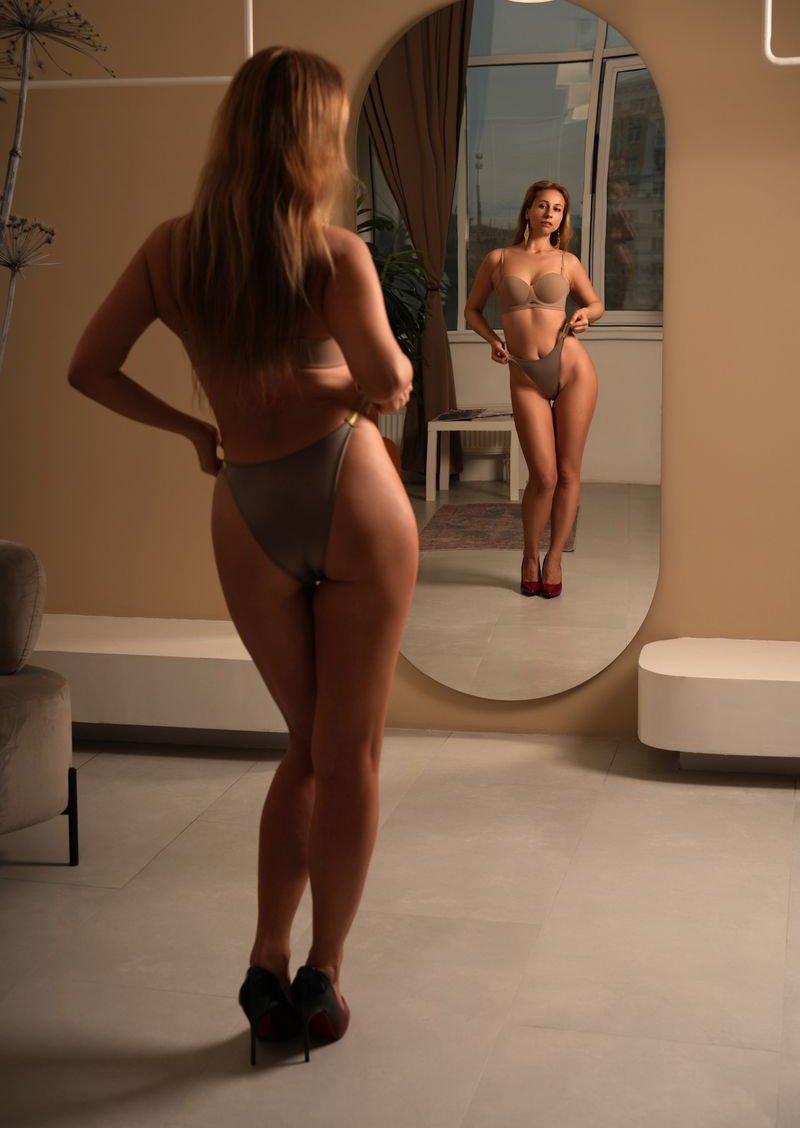
Feet and heels content is one of the steadiest sellers for independent creators, and one of the most demanding. Foot content buyers look closely. They notice toes, arches, skin, nail colour and how a shoe actually sits on a foot. A picture that is nearly right will not satisfy them. This guide covers how to get the details right with KinkAI.
Train with your feet in mind
Most people train their character on face and body photos and forget their feet entirely. If foot content matters to you, include a few clear, well lit pictures of your feet among your 10 to 20 training photos, from the top and from the side. Training is free and takes about half an hour, and the how it works page walks you through it. A character that has seen your feet will reproduce them far more convincingly.
Frame the feet as the subject
When feet are the point of the picture, say so. Describe the framing directly, for example "close up of bare feet on a white rug, soles towards the camera" or "low angle shot of legs and black stilettos on a staircase". If you only describe the whole person, the feet will be small and easy to get wrong.
Popular framings include:
- Soles towards the camera, toes relaxed
- Top down view of feet on a floor or bed
- Side view showing the arch
- Legs crossed with one heel dangling from the toes
- Feet up on a desk or the edge of a bath
Skin and nails
Real feet have texture. Describe smooth skin, natural creases and a soft shine where light catches the top of the foot. Name the nail colour every time, such as "glossy red toenails" or "bare natural nails", so it stays the same across a set. A change of polish between pictures is one of the quickest ways to break the illusion.
Shoes that buyers ask for
- Classic black patent stilettos
- Strappy sandals with thin heels
- Platform heels
- Pointed court shoes for an office look
- Thigh high boots
- Flip flops or trainers for a casual set
Name the material as well as the shoe. Patent, suede and leather all catch light differently. Our guide to latex and leather explains how to describe shine so it looks real.
Light and setting
Soft, even light shows skin detail best. A window, a lamp or bright daylight on a balcony all work well. Strong shadows can hide toes and make the shape of the foot hard to read. Keep backgrounds plain: a rug, wooden floorboards, white sheets, a tiled bathroom or a garden step. The feet should be the most interesting thing in the frame.
The library of tested scenes includes floors and bedrooms that work well for close ups. Pick one and use it for a whole set.
Building a set buyers want
Foot content buyers often prefer a themed set over random single pictures. A set might follow one pair of heels from being put on to being kicked off, or one evening of bare feet on a sofa. Six to twelve pictures in the same room, with the same nail colour and shoes, feel like a real shoot. Vary the angle and framing rather than the details.
Keep a note of the exact words you used for a scene that worked, including the nail colour, the shoes and the light. Next week you can make a matching set in minutes.
Levels and cost
KinkAI has three levels per picture: clothed for 1 Kredit, topless for 2 and naked for 3. Topless and naked open after a one time ID check with Didit, which confirms you are 18 or over. A great deal of foot content works perfectly at the clothed level, which keeps sets affordable. There is no subscription and Kredits never expire. See pricing for the current packs.
Selling what you make
If you sell foot content, check the rules of each platform you post on, as they differ and change. Some creators use AI pictures for teasers and sell real photos, and some sell AI sets clearly described as such. Being honest with buyers about what they are getting protects your reputation.
The rules that never bend
Every picture shows you, or your own invented persona, and nobody else. No real person other than yourself, no impersonation, no minors and no one made to look under 18. Our content policy sets out the full rules, and they apply to every level and every scene.