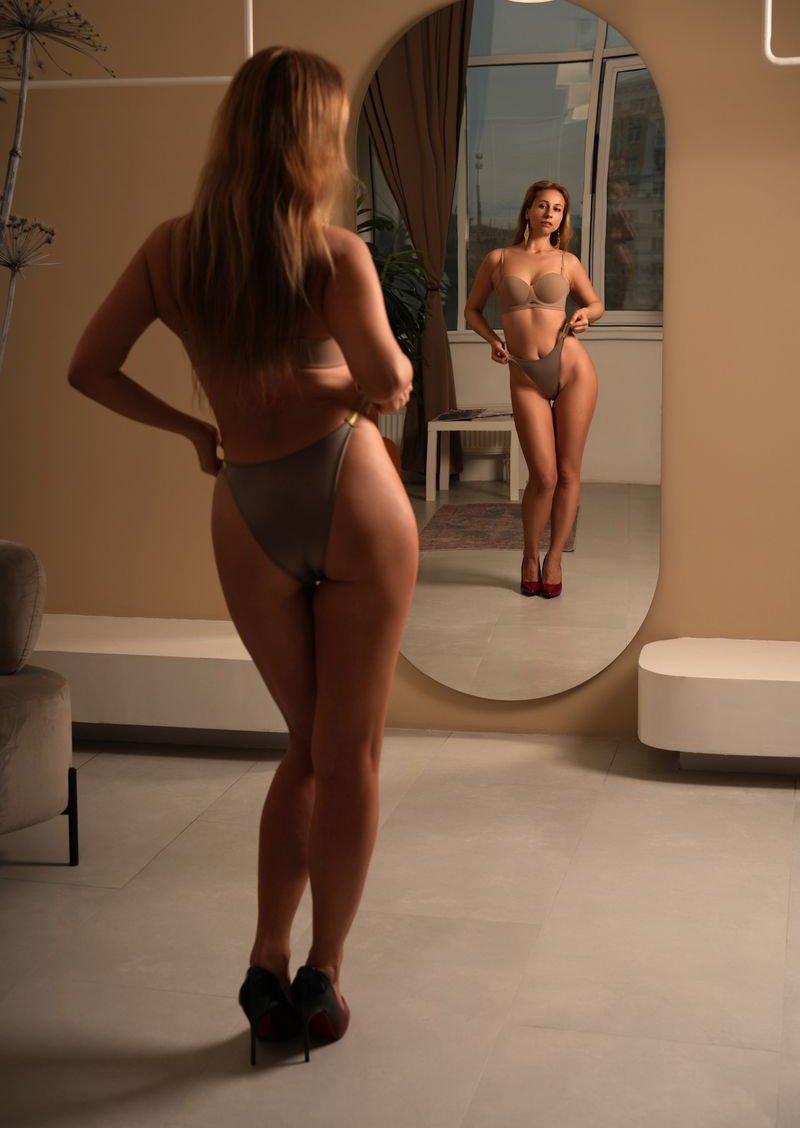
You can get the face, the outfit and the light exactly right and still end up with a picture that feels wrong. Usually the problem is the pose. A body held in a position nobody would choose looks stiff, and people notice that before they notice anything else.
Describe an action, not a position
Telling the picture where every arm and leg should go tends to produce something rigid. Saying what the person is doing works far better. Leaning on a kitchen counter with a coffee, sitting on the edge of the bed pulling on a boot, turning to look over one shoulder. An action brings its own natural posture with it.
Give the hands something to do
Hands left with nothing to hold are the most common giveaway. A cup, a phone, a strand of hair, the edge of a jacket: any small task gives the hands a reason to be where they are, and the whole picture relaxes.
Let the weight sit on one side
People rarely stand evenly on both feet. A few words like weight on one hip, or leaning slightly, take a picture from a passport photo to something that looks caught in the moment.
Keep it simple for your first tries
Complicated poses with crossed limbs and twisted bodies are where pictures most often go strange. Start with sitting, standing and leaning, get those looking right, and only then try something more ambitious.
Match the pose to the place
A pose should make sense for where the person is. Curled up in an armchair suits a living room at night; standing tall with hands in pockets suits a street in daylight. When the pose fits the setting, the picture stops looking arranged and starts looking like a real moment.
Save the ones that work
When a pose comes out looking easy and natural, keep the exact words you used next to the picture. Over time you will build a small set of poses you can rely on, and that saves a great deal of trial and error.